
"Central Andes coffee"
700 article(s) found

Flavor and taste characteristics of coffee manor in Ecuador introduction to Santa Cruz Manor
Ecuador is divided into the western coast, the central mountains, the eastern Amazon River basin and the four central regions of the Galapagos Islands, with diverse climatic conditions. The western coastal plain belongs to the tropical rain forest climate, with an average temperature of 23-25 ℃. The central Andes. The intermountain basin in this area belongs to the savanna climate, and the mountain belongs to the subtropical forest climate, with perennial snow above 4000 meters above sea level. Annual average decline

Introduction to the characteristics of Ecuadorian Coffee Flavor and Taste Manor
The Republic of Ecuador is located in northwestern South America. It is bordered by Colombia in the northeast, Peru in the southeast and the Pacific Ocean in the west. It covers an area of 256370 square kilometers and the coastline is about 930km long. The equator runs through the north of the border, and Ecuador means the Spanish equator. Ecuador is divided into the western coast, the central mountains, the eastern Amazon River basin and the four central regions of the Galapagos Islands.

Introduction to the characteristics of coffee flavor and taste in the fragrant Santa Cruz Manor of Ecuador
The Republic of Ecuador is located in northwestern South America. It is bordered by Colombia in the northeast, Peru in the southeast and the Pacific Ocean in the west. It covers an area of 256370 square kilometers and the coastline is about 930km long. The equator runs through the north of the border, and Ecuador means the Spanish equator. Ecuador is divided into the western coast, the central mountains, the eastern Amazon River basin and the four central regions of the Galapagos Islands.

Soft and smooth Colombian Coffee in the Andes, the cultivation of Lazmus Manor Jane
The status of coffee in Colombia can be seen from the following examples. All vehicles entering the country must be sprayed and sterilized so as not to inadvertently cause disease and damage to coffee trees. The National Coffee Management Association of Colombia, like the National Management Association of Kenya, is a model of coffee organization. Compared with other producing countries, Colombia is more concerned with developing products and promoting production. It is this one.

Medium texture description of Peruvian Coffee Flavor method of Grinding of Fine Coffee beans in producing areas
Peru is located in western South America, with a coastline of 2254 kilometers. The Andes runs from north to south, and the mountains account for 1% of the country's area. it belongs to the tropical desert region with a dry and mild climate. Peruvian coffee is mostly grown at the foot of the Andes, where it is rich in traditional Central American top coffee beans. Peru is a huge and diverse land for them to produce a large number of different kinds.

Introduction to Lazmus Manor in the Andes of Colombia Coffee, which is soft and smooth in taste.
The National Coffee Management Association of Colombia, like the National Management Association of Kenya, is a model of coffee organization. Compared with other producing countries, Colombia is more concerned with developing products and promoting production. It is this, coupled with its superior geographical and climatic conditions, that makes Colombian coffee excellent in quality and delicious and famous all over the world. The status of coffee in Colombia comes from the following examples

The taste of the coffee in Santa Cruz Manor, Ecuador is very balanced and refreshing.
Ecuador is divided into the western coast, the central mountains, the eastern Amazon River basin and the four central regions of the Galapagos Islands, with diverse climatic conditions. The western coastal plain belongs to the tropical rain forest climate, with an average temperature of 23-25 ℃. The central Andes. The intermountain basin in this area belongs to the savanna climate, and the mountain belongs to the subtropical forest climate, with perennial snow above 4000 meters above sea level. Annual average decline
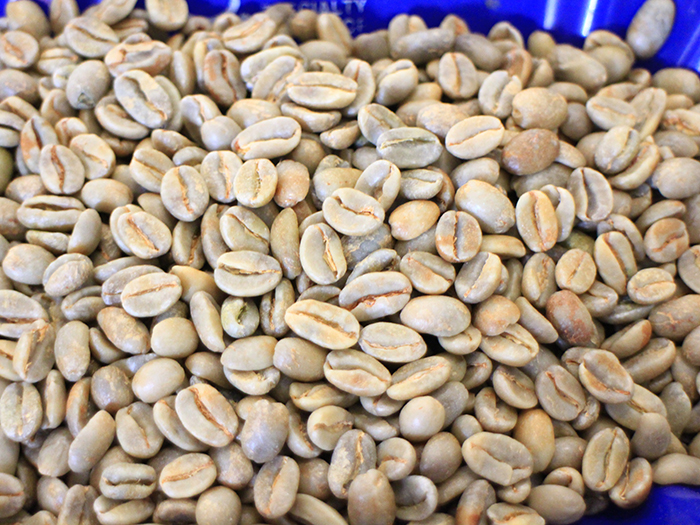
Colombia Santa Rita Coffee Green Beans Andes Micro-production washed high quality imported green beans
The history of coffee cultivation in Colombia can be traced back to the Spanish colonial era in the 16th century. There are also many sayings about the history of coffee in Colombia: First, it is said to have been transmitted from the Caribbean island of Haiti via El Salvador in Central America. Second, coffee beans were first introduced into Colombia in 1808 by a priest from the French Antilles via Venezuela. one of

Smooth Peruvian Coffee Flavor the characteristics of the manor producing area introduce Peruvian boutique coffee
Peru is located in western South America, with a coastline of 2254 kilometers. The Andes runs from north to south, and the mountains account for 1% of the country's area. it belongs to the tropical desert region with a dry and mild climate. Peruvian coffee is mostly grown at the foot of the Andes, where it is rich in traditional Central American top coffee beans. Peruvian coffee beans grown in the central part of the country and Cusco in the south

Introduction to the unique flavor and taste of Hassanda Coffee Manor in Ecuador
West coast: including coastal plains and foothills, high in the east and low in the west, generally below 200 meters above sea level, with some hills and low mountains at an altitude of 600 to 700 meters. Belongs to the tropical rain forest climate, the southernmost end begins to transition to the savanna climate. The average annual precipitation decreases from more than 3000 mm to about 500mm from north to south. Central Mountains: the Andes enter Ecuador from Colombia

A brief introduction to the history and culture of the origin and development of Ecuadorian boutique coffee beans with balanced and refreshing taste
However, Thomas will never know that the island they landed on is the only island in the Galapagos Islands with plenty of fresh water. It is today's St. Cristobal Island (Saint Cristobal), a well-known South American brand, Ecuadorian Grade A coffee, with a large state-run seed value garden; 100% from the 1300-2000 m high natural vegetation zone, popular in Europe and the United States.

Introduction to Galapagos Coffee in Ecuador Coffee Manor
The Republic of Ecuador is located in northwestern South America. It is bordered by Colombia in the northeast, Peru in the southeast and the Pacific Ocean in the west. It covers an area of 256370 square kilometers and the coastline is about 930km long. The equator runs north of the border, and Ecuador means the Spanish equator. [3] Climate Ecuador is divided into the western coast, the central mountains, the eastern Amazon basin and the Galapagos Group

Introduction to Santa Cruz Estate Coffee Bean Characteristics Flavor Brewing Method
In the mid-15th century, among fishermen fishing in the Pacific Ocean off western South America, there were legends of magical islands. It is said that the islands can sometimes be clearly seen from a distance, but disappear as the ship approaches; sometimes they look like a galleon, sometimes they take on the shape of a witch. Fishermen call these islands the enchanted islands, thinking they're

Medium-bodied Ecuadorian Coffee Flavor and Taste planting Environment introduces boutique coffee beans
West coast: including coastal plains and foothills, high in the east and low in the west, generally below 200 meters above sea level, with some hills and low mountains at an altitude of 600 to 700 meters. Belongs to the tropical rain forest climate, the southernmost end begins to transition to the savanna climate. The average annual precipitation decreases from more than 3000 mm to about 500mm from north to south. Central Mountains: the Andes enter Ecuador from Colombia

El Salvador Los Andes Bourbon Coffee Flavor characteristics what is the quality of SL28 introduced by sa?
Manufacturer: ErnestoMenndez production area: Santa Ana Apaneca-Irametepec varieties: bourbon altitude: 1720 m treatment: washing, Ernestos's favorite Los Andes craftsmanship to show the clarity of the cup. Taste description: nuts, with chocolate sweetness, green apples, white grapes and roasted almonds. Los Andes is made up of outstanding

Balanced acidity and fragrant coffee manor in Ecuador introduce the flavor and taste characteristics of Hassan.
West coast: including coastal plains and foothills, high in the east and low in the west, generally below 200 meters above sea level, with some hills and low mountains at an altitude of 600 to 700 meters. Belongs to the tropical rain forest climate, the southernmost end begins to transition to the savanna climate. The average annual precipitation decreases from more than 3000 mm to about 500mm from north to south. Central Mountains: the Andes enter Ecuador from Colombia

Introduction to the characteristics of high-quality coffee beans in the producing area of Ecuadorian coffee with balanced acidity
Ecuador is divided into the western coast, the central mountains, the eastern Amazon River basin and the four central regions of the Galapagos Islands, with diverse climatic conditions. The western coastal plain belongs to the tropical rain forest climate, with an average temperature of 23-25 ℃. The central Andes. The intermountain basin in this area belongs to the savanna climate, and the mountain belongs to the subtropical forest climate, with perennial snow above 4000 meters above sea level. Annual average decline

Peruvian coffee with elegant mild acidity Flavor Description Roast Degree Taste Variety Manor Introduction
Peru is located in the west of South America, with a coastline of 2254 kilometers. The Andes runs through the north and south, and the mountains account for 1/3 of the country's area. They belong to the tropical desert area, and the climate is dry and mild. Peruvian coffee is mostly grown at the foot of the Andes, where it is rich in quality traditional Central American coffee beans. Peruvian coffee beans produced in Chanchamayo in the center and Cuzco in the south

The Galapagos Coffee Manor in Ecuador, which can be made into high quality mixed coffee, has a special flavor and taste.
The Republic of Ecuador is located in northwestern South America. It is bordered by Colombia in the northeast, Peru in the southeast and the Pacific Ocean in the west. It covers an area of 256370 square kilometers and the coastline is about 930km long. The equator runs north of the border, and Ecuador means the Spanish equator. [3] Climate Ecuador is divided into the western coast, the central mountains, the eastern Amazon basin and the Galapagos Group

Colombia Santa Rita Coffee Green Bean Washing in Andes Microregion
The history of coffee cultivation in Colombia can be traced back to the Spanish colonial era in the 16th century. There are also many sayings about the history of coffee in Colombia: First, it is said to have been transmitted from the Caribbean island of Haiti via El Salvador in Central America. Second, coffee beans were first introduced into Colombia in 1808 by a priest from the French Antilles via Venezuela. one of